
Redington Blog

#Trending Products

Why Smart Devices Are Becoming Essential for Business Growth 

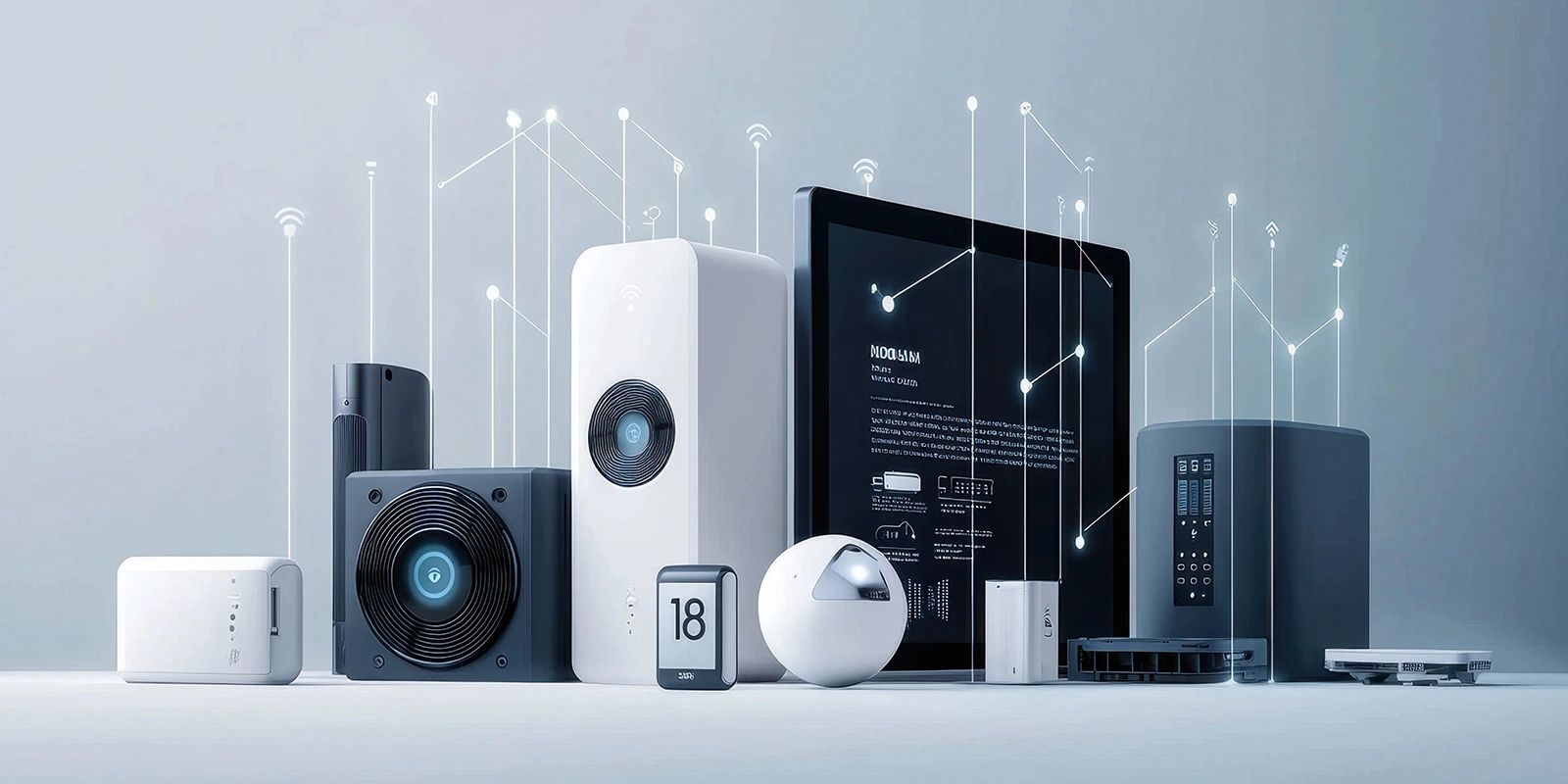
Retailers and business partners alike should view smart devices as more than just new technology; they strategically enable business growth, operational efficiency, and enhanced customer relationships. Whether smartphones or IoT-enabled systems, smart devices in modern business are changing the way organizations work, collaborate, and create value.

🌐

The Role of Smart Devices in Modern Business

Smart devices in today's business environment utilize sophisticated sensor and connection capabilities to aid in automation, just-in-time monitoring, and provide data-driven outputs. They may be integrated with enterprise applications, or back-end systems, essentially reducing error, and allowing for seamless activities to be executed.

For instance, in a retail setting, smart devices assist in greater customer interaction management and in performing inventory checks. For business partners, smart devices provide a better understanding of inventory levels throughout supply chains and sales channels.

Driving Productivity with Smart Devices

🤖
Automating Repetitive Tasks
Smart devices can automate or at least facilitate many repetitive tasks including scheduling meetings, refilling stock, sharing a document and other day-to-day activities. Retailers can automate stock checks to monitor inventory levels to reduce the threat of stock-out; a distributor could automate processing orders. Automation like this can save a lot of time and limit errors that could be costly.
🤝
Improved Collaboration
Cloud-enabled smart devices are enhancing collaboration within organizations. Teams can have virtual meetings, collaborate on content online in real-time, and continue to manage collaborative projects from different locations. Business partners, particularly those from different regions, can minimize delays and make quicker, less conflicted decisions.
🏃
Improved Workforce Efficiency
Mobile smart devices provide employees with access to data while on the go, eliminating downtime and scheduling delays. For example, sales employees can look up product specs and pricing while face-to-face with customers on the retail floor, leading to better productivity and enhanced customer engagement by providing a quicker response.
🛍️

Enhanced Customer Experience

Retailers can gain insight into consumer preferences and behavior by analyzing data from smart devices. Retailers can utilize it to offer personalized promotions, while also providing partners with unique solutions tailored to the client's specific needs. Personalization leads to loyalty and repeat business.

💬
Real-Time Customer Support
AI-based chatbots and voice assistants embedded into smart devices from omnichannel platforms create anytime access to support. Retailers will benefit from addressing customer queries or support needs promptly. Partners gain greater credibility by responding quickly to customer queries and issues.
🔗
Omnichannel Consistency
Smart devices enable businesses to maintain a consistent level of service across various channels. A customer who connects with a retailer digitally, browses a product online, and then steps onto the retail floor, will expect the same level of personalization — smart devices create that seamless opportunity.
📊

Data-Driven Decision-Making

👁️
Operational Visibility
IoT-enabled devices enable real-time tracking of assets and inventory in the retail space, allowing retailers to track fast-moving items and avoid stock-outs at the shelf. At the same time, partners can analyze stoppages in their supply chain. This level of operational awareness enables businesses to allocate and utilize all their resources effectively, ensuring or increasing profitability.
🔮
Predictive Analytics
Smart devices help businesses forecast demand trends, seasonalities, and minimize the pitfalls of waste. They enable the real-time responsiveness of stock level increases during peak times. Smart devices are also reshaping logistics by enabling distributors to anticipate inventory needs based on seasonality-based business indicators.
🚚

Efficient Delivery and Logistics

Energy Efficiency
Control systems using smart devices optimize energy use for lighting, HVAC, and electrical equipment, aiming to reduce electrical waste. By implementing this approach across multiple sites, retailers can lower their utility costs, and partners can reduce overhead expenses associated with warehouses and offices.
🔧
Predictive Maintenance
Smart sensor equipment monitors machines and alerts about pre-failure conditions. Predictive maintenance results in less downtime and fewer repairs or lost time. For partners who use logistics fleet vehicles, predictive maintenance can also be particularly helpful in avoiding costly breakdowns.
🔒

Enhancing Security, Reducing Risks

🚨
Smart Security Systems
A smart security system combines the most essential components of security, including alarms, biometric access, and real-time monitoring. Retailers would pool security system resources to secure their retail outlets; their partners can use the same system to secure warehouses or distribution centers.
📷
Smart Cameras
Smart cameras provide enhanced remote visibility and notification, enabling a real-time response to risk. Businesses may also use smart cameras to analyze traffic flow in their stores, using the data collected to inform lane layout decisions.
🛡️
Data Security
Smart devices can help you secure confidential data. These devices come with encryption and will assist with multi-factor authentication to protect your data and your business from potential devastation by cyber-attack or unauthorized access to your information.
🚀

How Retailers and Partners Benefit

When launching smart devices in their businesses, the first step is to identify the business priorities, ranked from most important to least important. Retailers will seek customer-facing smart devices, such as innovative point-of-sale systems and IoT sensors, within their stores. In contrast, their partners will look for back-end smart devices, including smart logistics tracking and smart inventory management.

Essential steps to clarify the new smart business devices category will include the following:

1
Identify the pain points — Determine the places where automation or real-time data can offer better value.
2
Select systems that offer scalability — Start small; pilots of new projects will generally be less resistant from the business than changes made in larger pieces.
3
Ensuring workers know how to use the device, and then use it to create and manage the information that it generates.
4
Foster the people and culture to try smart devices with a high degree of cybersecurity trust.
5
Launching from short-term needs to the organization's long-term vision around smart device solutions will provide opportunities for businesses to leverage and adopt smart device technologies.

Organizations must adopt smart devices — it's no longer an option for retailers and business partners to drive daily operations, especially in an increasingly complex and competitive world. Smart devices create opportunities through productivity improvements, enhanced customer experiences, smarter decision-making, and more effective cost reductions.

Final Thoughts

Shape the Future of Your Business

For retailers and business partners, future opportunities are clearer, making it easier to leverage smart devices as innovative solutions that drive growth, resilience, and long-term success.

Get started with smart devices on Redington Online.

Explore Smart Devices


Why Smart Devices Are Becoming Essential for Business Growth 

The Rise of Cloud-Based Data Solutions: Tools

Why Smart Devices Are Becoming Essential for Business Growth 

Comparing Leading Data Storage Solutions: Which One

Leave a comment

Your email address will not be published. Required fields are marked *