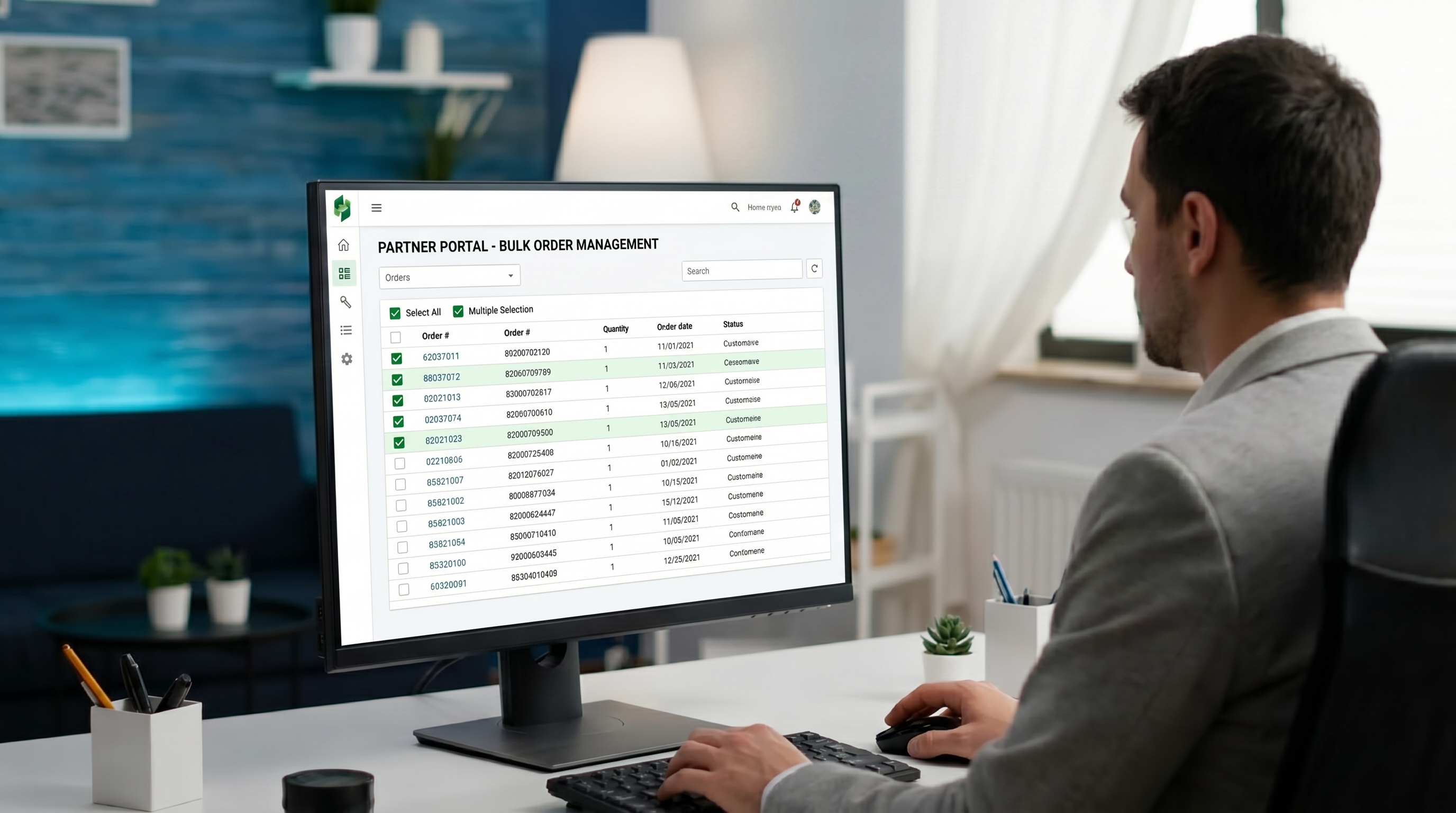


Ask any procurement manager what's changed in the last few years, and you'll hear the same things: more SKUs to manage, tighter timelines, and buyers who expect instant answers on pricing and stock. Procurement teams once treated back-and-forth communication as a normal part of sourcing IT products, but most businesses now see it as a liability they can't afford.
That shift has pushed a lot of businesses toward B2B ecommerce faster than they might have planned. Businesses aren't adopting it because it's a trend worth chasing. They're adopting it because teams manually coordinate quotations, chase vendor confirmations, and manage orders across disconnected systems, which creates real costs. Teams waste time, errors creep into workflows, and deals that should close quickly stall instead.
For retailers and channel partners operating in the IT space, the shift to digital procurement isn't really optional anymore. It's a practical response to how buying behavior has changed.
Why Digital Procurement Makes Sense
Slow procurement doesn't just feel frustrating. It has downstream effects: delayed project starts, strained partner relationships, and revenue that gets pushed into the next quarter. For IT resellers and distributors, that's a significant operational problem with compounding consequences.
Deloitte found that 77% of B2B commerce executives now see digital transformation as critical to business success. B2B ecommerce platforms pull together what used to be scattered across emails, spreadsheets, and phone calls. Product catalogs, live pricing, stock levels, and order status all sit in a single environment that procurement teams can work from without constant coordination overhead.
Buyers aren't just looking for convenience either. They want purchasing records they can reference, delivery timelines they can commit to, and pricing they don't have to negotiate from scratch every single time. That level of consistency is difficult to deliver through manual processes alone, and most buyers know it.
Procurement Models in IT Distribution
The IT supply chain includes multiple buyer-seller relationships, and each follows a different procurement process. That's why businesses need a B2B ecommerce platform that aligns with their specific operating model.
How Modern Procurement Platforms Work
Most buyers don't want a complicated purchasing experience. They want to find the product, confirm it's in stock, check the price, and get the order placed without unnecessary steps in between. A well-built B2B e-commerce platform handles exactly that, without requiring a phone call or a follow-up email to move things forward.
What makes a well-built platform genuinely useful is what happens around that core transaction. Quotation workflows, recurring order setups, and shipment tracking are all handled in the same place. Procurement teams aren't jumping between tools or chasing paper trails to confirm whether an order has shipped.
For distributors and their partners, there's another layer of value in shared visibility. When buyers and suppliers work from the same real-time data, much of the unnecessary back-and-forth that slows purchasing down disappears. Buying patterns also become clearer over time, providing procurement teams with concrete data to work with during planning cycles and vendor negotiations.
What Makes Procurement Platforms Worth Using
Why Digital Procurement Keeps Growing
Manual procurement hasn't disappeared, but the gap between what it can deliver and what digital systems offer has widened considerably. Businesses still running on email-based ordering and phone confirmations aren't just slower. They're carrying operational risk that grows as their partner networks expand and order volumes increase.
The businesses that have moved to digital procurement consistently report meaningful improvements. Order processing gets faster, fewer orders fall through the cracks, and procurement teams spend less time on administration and more time on decisions that actually require human judgment.
Most resellers and channel partners don't spend much time thinking about procurement until something goes wrong. A stock shortage that delays a customer delivery, a pricing discrepancy that holds up an order, or a missing purchase record that complicates a reconciliation. Those moments add up, and they're mostly avoidable with the right purchasing infrastructure in place.
Partners who take the time to understand how digital procurement works, and what separates a useful platform from a frustrating one, tend to make better buying decisions and run tighter operations as a result. The technology itself isn't complicated. The bigger shift is operational: moving from reactive purchasing to a process that's predictable, visible, and easier to manage as the business scales.
Explore Redington Online