

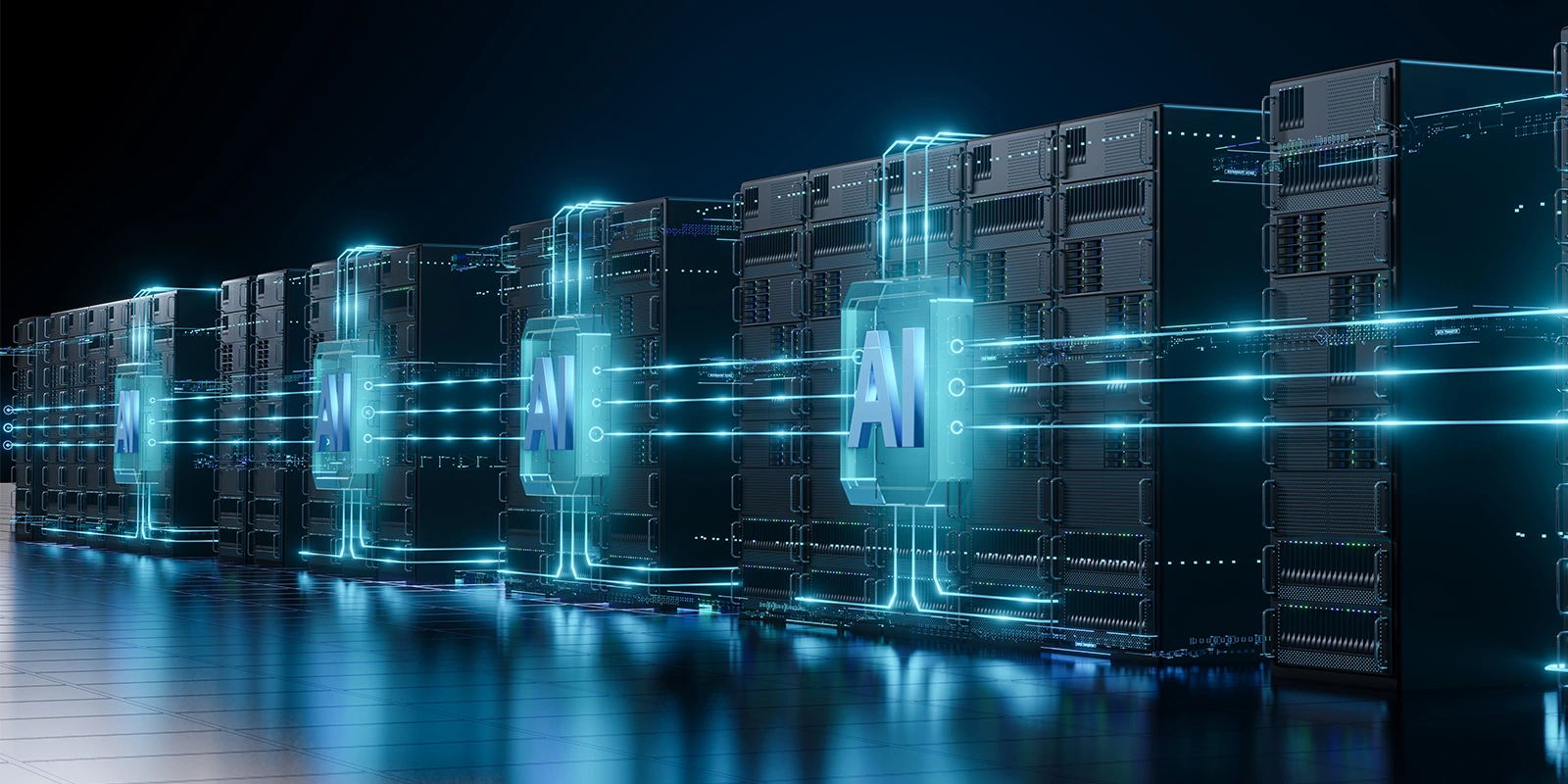
Today, technology is not just reshaping wholesale and distribution, it is reshaping the way companies compete and win. Digital transformation is not an option for B2B marketers, it is necessary to stay competitive.
Transforming Wholesale and Distribution Digitally
Wholesale and distribution is the backbone of many industries often connecting inventory, logistics, and customer relationships. Traditionally, wholesale and distribution relied on manual processes, intense operation and little information about their transaction history, which created inefficiencies and errors and delayed reporting. Now, significant technological innovations have allowed companies to achieve operational efficiencies, customer service, and profitability.
Companies are now utilizing combinations of Enterprise Resource Planning (ERP), Customer Relationship Management (CRM), and Artificial Intelligence (AI) to automate performance and tasks. The use of this technology improves business functions while allowing businesses to better serve their B2B customers with online solutions enhancing efficiency and experience.
The Power of Automation: Aligning Operations for Efficiency
Imagine reducing human error, increasing the pace of business and optimizing where to spend resources, all at the same time. That is the power of automation in wholesale and distribution.
Currently, there are automated systems ready to assist companies with any amount of complex tasks including;
- ✓ Real-time inventory management
- ✓ Dynamic inventory level adjustments
- ✓ Streamline order management
- ✓ Accurate demand forecasting
Automation for inventory management is monumental; companies can remain cognizant of product availability and replenish stocks, thus reducing the risks associated with stockout, or of carrying excess stocks.
Automated inventory management provides real-time data for inventory product availability and is designed to actively monitor product availability. This system frees human resources from searching for information they already had regarding stock levels of hundreds of product lines and having the unnecessary carrying cost of working capital.
Automated order processing systems automate the data entry function in the fulfilment processing, providing efficiencies and a speed increase with complete accuracy of delivery. Companies now develop full transparency and traceability of each order from start to completion. Companies can educate their customers on reliable and predictable service effective for the marketers.
Making Business Decisions with Data: Data Analytics
Data analytics is another technology that serves wholesalers and distributors breaking the mold of traditional trade. Business owners have relied on their experience and instinct when deciding what to plan for a single transaction.
Business owners are now aware of their limited visibility and understanding of everything going on in their operation based on for example: sales patterns of specific sales, product line demand, or the performance of their supply chain. Data-driven technology will now provide management with a real-time view of customer consumption, sales trends, and inventory levels.
Arguably, when B2B companies combine what they learn from their analytics with the awareness of what is happening regarding B2B marketing trends, they could provide even better experiences that increase satisfaction and loyalty for their customers.
E-commerce: Broadening Reach and Increasing Access
B2B ecommerce is changing the wholesale and distribution industry for the better. With B2B e-commerce businesses can buy and sell goods online. A B2B platform provides higher access and convenience for buyers and sellers alike.
A contemporary B2B platform today helps wholesalers and distributors to grow their customer base, extend product lines, and simplify purchasing processes. A B2B platform gives wholesalers and distributors important capabilities like real-time inventory, custom pricing, and a secure payment process.
Additionally, B2B platforms have the ability to integrate with other technology, like CRM systems and inventory systems. This integrated technology gives a seamless experience for businesses and customers alike. Automated purchasing processes, integration from upstream to downstream, and the seamless experience provided by technology are all process improvements for B2B business efficiency.
With new levels of technological capabilities, B2B businesses are able to provide the same quality of service and access to high-pricing product lines across multiple access points.
Supply Chain Management
Supply chain management is another area that is drastically changing with technology. Digital procurement tools, including AI, blockchain, and the Internet of Things (IoT), bring greater transparency, increased traceability, and improved collaboration across the supply chain.
For example, with blockchain technology, B2B businesses can have greater transparency and efficiency to have a lot more secure way to see the entire supply chain from the manufacturer to the distributor.
Technology Is the Driver of B2B Innovation
Technology is not just a tool anymore; technology is the driver of innovation in the wholesale and distribution industry. B2B businesses must use advanced B2B automated tools, automated data insights, e-commerce platforms, and supply-chain management tools to be competitive in a growing digital world and build sustainable customer relationships.
For a business engaged in B2B marketing strategies, using today's technology is significantly different than just being efficient: it is building a sustainable customer relationship. Keeping on top of new trends in B2B marketing will be imperative as the industry shifts to a constant state of digital transformation.
Companies who leverage the right B2B platform and technology will be in a better position to meet internal efficiencies, drive growth, and build retaining customer relationships. It is important to note that strategic investment in business transformation to a significant digital footprint is no longer a question---it is now the key driver of B2B business success and profitability.
Explore Redington Online